

 Blog
Blog
04 Mar 2026
For landlords, setting clear rental terms is crucial for a smooth and profitable landlord-tenant relationship. A well-drafted agreement prevents disputes and clarifies rights and responsibilities. Here’s how to create rental terms that benefit both parties.
Set the Right Rent: Determining rent involves more than market analysis; it requires understanding your costs and the value your property offers. Research similar local properties to ensure competitive yet fair pricing. Setting rent too high can lead to vacancies, while too low can affect profitability.
Define the Lease Duration: Decide between a fixed-term lease, such as six months or a year, or a rolling monthly tenancy. Fixed-term leases offer income stability and tenant occupancy, while rolling leases provide flexibility to adjust terms or terminate the agreement if needed.
Detail Deposits and Fees: Clearly outline required deposits and any fees, such as those for late payments or specific tenant responsibilities. Specify conditions under which the deposit may be withheld, such as property damage.
Include Usage Restrictions: Specify property usage restrictions. If pets, smoking, or subletting are not allowed, state these terms explicitly to avoid conflicts.
Maintenance and Repairs: Clarify responsibilities for both landlord and tenant. Landlords typically handle major repairs and ongoing maintenance, while tenants may be responsible for minor repairs and general upkeep.
Procedure for Renewal and Termination: Outline processes for contract renewal and termination, providing clear instructions on notice periods and conditions for lease extension.
Creating comprehensive rental terms secures your investment and helps attract and retain responsible tenants. A well-thought-out rental agreement serves as a reference for resolving issues, ensuring a harmonious landlord-tenant relationship throughout the tenancy.
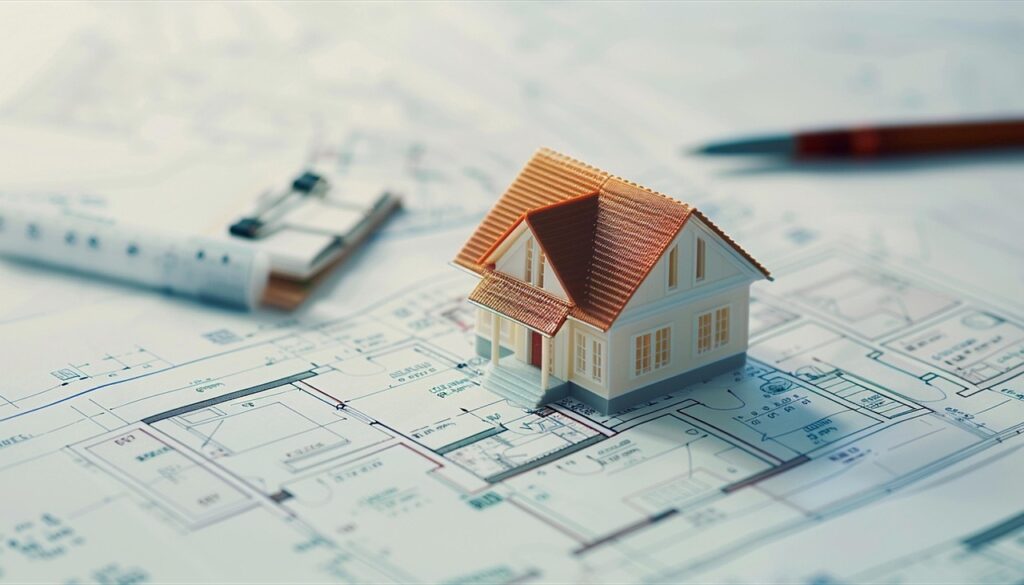
Image: Unsplash
 Blog
Blog
 Blog
Blog